
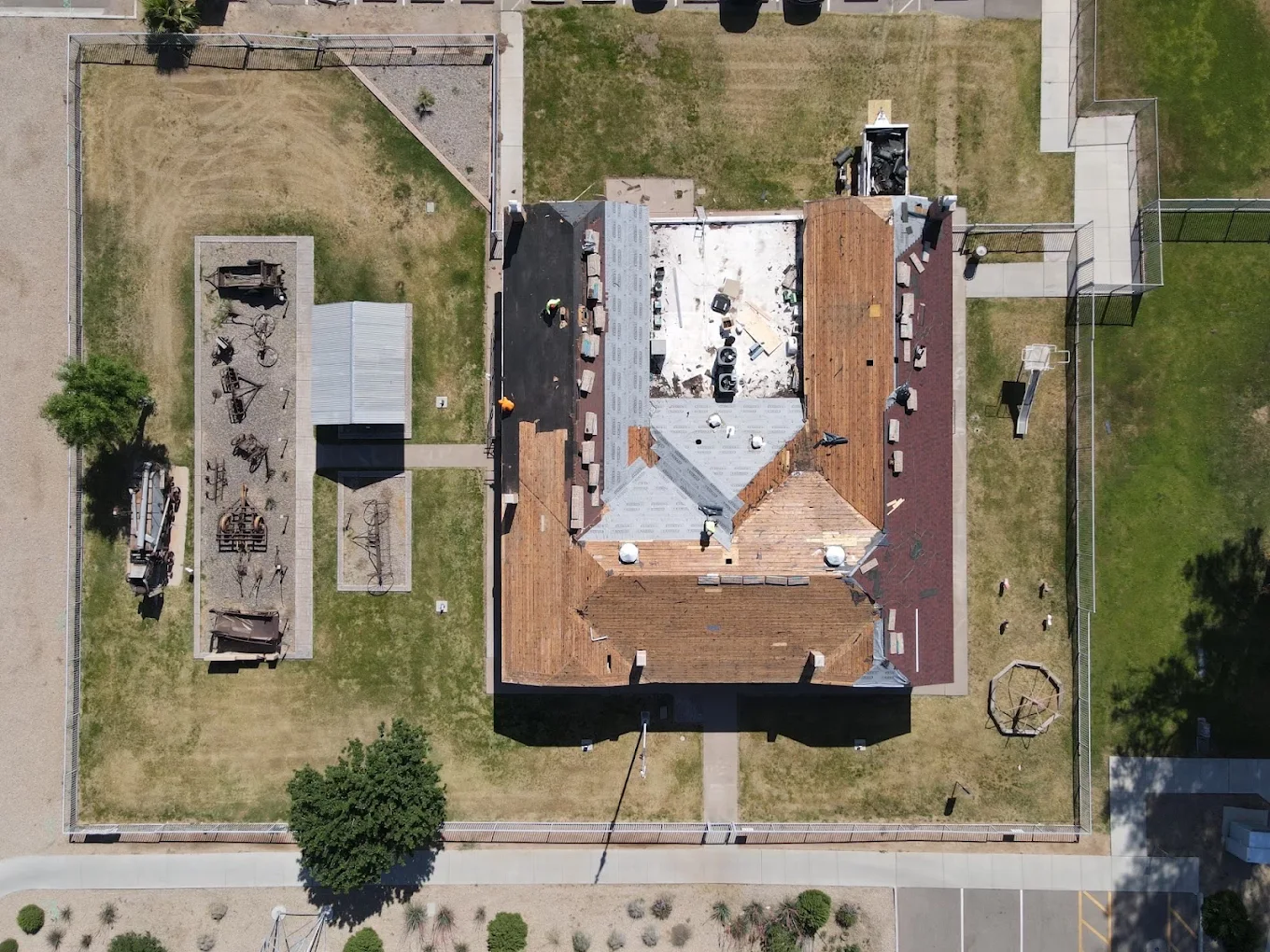
Everyone says the roof is the most important part of a house. That's not wrong, exactly, but it misses something crucial. The roof only matters when it stops doing its job. Until that moment - when the ceiling stain appears or the shingles go missing after a storm - most folks never think about what's overhead. And by then? The damage is often already done, the costs already climbing.
Finding reliable roof repair near me is one of those searches nobody wants to make. It usually happens on a Sunday night, during a rainstorm, with a bucket catching drips in the hallway. I've been there. The panic, the frantic scrolling through contractor websites, the worry about getting ripped off - it's basically a masterclass in stress. But here's the thing: understanding how to spot roof issues early and knowing what to look for in a repair specialist can save you thousands and spare you that 2 AM panic attack.
This guide breaks down everything from roof leak repair cost expectations to the warning signs that separate a quick fix from a major project. By the end, you'll know exactly how to evaluate quotes, dodge the scammers, and make smart decisions about your roof.
Before We Begin: Defining 'Roof Repair' vs 'Roof Replacement'
Let me clear something up right away because this confusion costs homeowners real money. Roof repair means fixing specific damaged areas - patching leaks, replacing a section of shingles, resealing flashing around vents and chimneys. Roof replacement means tearing off everything down to the deck and starting fresh.
The distinction matters for your wallet. A repair might run you a few hundred bucks. A full replacement? That's easily $10,000 to $30,000 depending on your home's size and the materials involved. Some contractors (the shady ones) will push replacement when repair would work perfectly fine. Others might patch a roof that genuinely needs replacing, leaving you with recurring problems and repair bills that eventually exceed what replacement would have cost.
Here's my rule of thumb: if the damage covers less than 30% of your roof and the structure underneath is solid, repair usually makes sense. If you're looking at widespread deterioration, multiple leak sources, or a roof that's approaching the end of its expected lifespan, replacement becomes the smarter long-term investment.
Top Roof Repair Services and Cost Expectations
What drives me crazy is how hard it is to get a straight answer about pricing. Contractors quote wildly different numbers for the same work, and homeowners end up feeling like they're negotiating a used car deal. Let me give you realistic ranges so you walk into those conversations armed with actual knowledge.
Minor Roof Leak Repairs ($150-$600)
This is the "caught it early" category. Minor repairs typically cover:
- Small punctures or holes in roofing material
- Cracked or missing individual shingles (up to about 10-15)
- Minor flashing repairs around vents or pipes
- Resealing small gaps or separations
- Fixing clogged or slightly damaged gutters causing backup
The work usually takes a few hours. A skilled roofer might not even need to bring materials - many carry common shingles and sealants on their trucks for exactly these situations. This is where understanding how to fix a leaking roof at its earliest stage pays off enormously.
Moderate Damage Repairs ($600-$1,500)
Moderate repairs come into play when damage has spread or affected structural elements. Think:
- Replacing a larger section of shingles (a couple hundred square feet)
- Fixing damaged or worn flashing around chimneys
- Addressing valley damage where two roof sections meet
- Repairing minor decking damage beneath the roofing material
- Fixing boot seals around plumbing vents
These jobs typically take a half-day to a full day. The average cost of roof repair in this range depends heavily on accessibility - a steep, three-story Victorian costs more to work on than a single-story ranch with a gentle slope.
Major Structural Repairs ($1,500-$5,000+)
This is where things get serious. Major repairs involve:
- Extensive decking replacement (rotted or damaged plywood)
- Significant water damage requiring structural reinforcement
- Large sections of missing or destroyed roofing
- Sagging areas that need support correction
- Complete chimney flashing overhaul
At this price point, you're often one step away from replacement territory. Get multiple opinions. I mean it. The difference between "needs major repair" and "needs replacement" can be thousands of dollars, and reasonable contractors sometimes disagree on which approach is best.
Emergency Roof Repair Services
Storm just tore off a section of your roof at 11 PM? Water actively pouring into your living room? That's emergency territory, and it comes with premium pricing.
Expect to pay 50-100% more for after-hours emergency service. A $400 repair becomes $600-800 when it needs to happen at midnight. Worth it to prevent interior damage? Absolutely. But if you can safely tarp the area yourself and wait until morning, you'll save significant money.
Most emergency services involve temporary waterproofing measures - tarping, emergency sealants, basic patching - followed by permanent repairs once conditions improve. Don't let an emergency contractor pressure you into signing for full replacement work on the spot. Stabilize the situation, then get proper estimates.
Average Repair Costs by Roofing Material
Your roof type dramatically affects repair pricing. Here's what to expect:
| Roofing Material | Minor Repair | Moderate Repair | Major Repair |
|---|---|---|---|
| Asphalt Shingles | $150-$400 | $400-$1,000 | $1,000-$3,000 |
| Metal Roofing | $300-$600 | $600-$1,500 | $1,500-$4,000 |
| Tile (Clay/Concrete) | $300-$700 | $700-$2,000 | $2,000-$5,000+ |
| Flat Roof (TPO/EPDM) | $200-$500 | $500-$1,200 | $1,200-$3,500 |
| Slate | $500-$1,000 | $1,000-$3,000 | $3,000-$7,000+ |
Flat roof repair specialists typically charge differently than steep-slope roofers. The work is different - more membrane patching, ponding corrections, and drain maintenance. If you have a flat or low-slope roof, find someone who specializes in it rather than a general roofer who "also does flat roofs."
How to Spot Roof Issues Before They Become Expensive
Here's an analogy that changed how I think about roof maintenance: your roof is like your teeth. Small problems stay small if you catch them early. Ignore them, and suddenly you're looking at a root canal - or in this case, a complete tear-off. The trick is knowing what to look for.
Interior Warning Signs of Roof Problems
Most roof problems announce themselves inside your house before they're visible outside. Pay attention to:
- Water stains on ceilings or walls - Those brownish rings aren't just cosmetic issues. They mean water is getting in somewhere.
- Peeling paint or wallpaper - Excess moisture from roof leaks can cause finishes to fail, especially in upper floors.
- Musty odors - That smell means mold, and mold often means moisture intrusion from above.
- Visible daylight in the attic - If you can see sky through your roof boards, so can the rain.
- Sagging ceiling areas - This indicates prolonged water damage and potentially compromised structural integrity.
The attic tells the truth. Grab a flashlight, get up there twice a year, and actually look. Sounds simple, right? But most people never do it. Check for dark spots on the underside of the roof deck, damp insulation, and any signs of water trails.
Exterior Damage Indicators to Watch For
Once a year (spring is ideal), do a ground-level inspection of your roof. You're looking for:
- Missing, cracked, or curling shingles - Individual failures spread to neighboring shingles over time.
- Granule loss - Check your gutters. Lots of black granules mean your shingles are deteriorating.
- Visible flashing damage - Metal strips around chimneys, vents, and edges should lay flat without gaps.
- Sagging roof sections - A straight roof line should be straight. Waviness indicates structural issues.
Use binoculars for a closer look without climbing anything. If something looks wrong, it probably is.
Common Problem Areas That Need Regular Checking
Honestly, the only areas that really matter for regular inspection are the transitions. Where different roof sections meet, where roof meets wall, where anything penetrates the roof surface - these are your vulnerability points:
- Valleys - Where two roof slopes meet. Water concentrates here.
- Flashing around chimneys - The #1 leak source in most homes.
- Vent and pipe boots - Those rubber seals around plumbing vents crack and fail within 10-15 years.
- Skylights - The seals around skylights are notorious for failing.
- Eaves and fascia - Where the roof edge meets the gutter system.
Don't bother obsessing over every shingle. Focus on these transition zones and you'll catch 90% of problems before they become emergencies.
When to Schedule Professional Inspections
Beyond your own visual checks, schedule a professional roof inspection:
- After any major storm (hail, high winds, heavy snow)
- When your roof hits 10 years old, then every 3-5 years after
- Before buying or selling a home
- If you notice any interior warning signs
- After nearby construction that might have caused damage
A professional inspection typically runs $150-400. Considering what it can prevent, that's money well spent. The inspector will access areas you can't safely reach and knows what early-stage damage looks like.
Finding and Evaluating Local Roof Repair Specialists
Searching for roof repair near me returns approximately ten thousand results, most of which tell you absolutely nothing useful about whether a contractor will do good work at a fair price. Let me save you some frustration.
Essential Questions to Ask Potential Contractors
Before anyone touches your roof, get clear answers to these questions:
- How long have you been in business locally? - Fly-by-night operations appear after storms, do shoddy work, and vanish. Five years minimum in your area.
- Can you provide proof of insurance? - General liability and workers' compensation. No exceptions. Ask for certificates.
- What's your specific experience with my roof type? - A flat roof repair specialist isn't necessarily great at steep-slope shingle work and vice versa.
- Who will actually perform the work? - Some contractors subcontract everything. Know who's on your roof.
- What's your warranty on labor? - Materials have manufacturer warranties. Labor warranties are on the contractor.
A good contractor answers these confidently and completely. Hesitation or evasion tells you everything you need to know.
Red Flags to Avoid When Choosing a Roofer
Let's be honest, we've all been burned by contractors who seemed fine at first. Watch for these warning signs:
- Door-to-door solicitation after storms - Legitimate contractors don't need to canvass neighborhoods.
- Pressure to sign immediately - "This price is only good today" is never true.
- Request for large upfront payments - 10-30% deposit is reasonable. 50%+ before work starts is not.
- No physical business address - A P.O. box or just a phone number means they're hard to find if problems arise.
- Won't provide written estimates - Verbal quotes mean nothing when disputes happen.
- Offers to pay your insurance deductible - This is insurance fraud. Run.
That last one deserves emphasis. Any contractor who offers to "waive your deductible" or "work with your insurance to cover everything" is proposing something illegal. Don't participate.
Understanding Repair Quotes and Estimates
A proper repair quote should include:
- Detailed scope of work (not just "repair roof leak")
- Materials to be used, including brands and quantities
- Labor costs itemized separately from materials
- Estimated timeline for completion
- Payment terms and schedule
- Warranty information
Get at least three quotes for anything over $500. But here's what matters more than the number on the bottom line: are the quotes actually comparing the same work? A $1,200 quote might include replacing the damaged decking underneath while an $800 quote assumes the decking is fine. Those aren't comparable.
The roof leak repair cost varies wildly depending on what the contractor finds once they start working. A good quote includes language about how additional discoveries will be handled and priced.
Warranty Options and Service Guarantees
You're dealing with two types of warranties:
Manufacturer warranties cover material defects - typically 20-50 years for shingles, longer for premium materials. These transfer to new owners and remain valid regardless of which contractor installed them.
Workmanship warranties come from your contractor and cover installation errors. These typically run 1-10 years and are only as good as the company backing them. If the contractor goes out of business, the warranty is worthless.
For repairs, expect at least a 1-year workmanship warranty. Some contractors offer longer. Get it in writing with clear language about what's covered and what voids the warranty.
Checking Licenses, Insurance, and References
This isn't optional. It's the minimum due diligence:
Licensing - Requirements vary by state and sometimes by municipality. Check your state's contractor licensing board website. Enter their license number and verify it's active and in good standing.
Insurance - Request certificates of insurance directly from the contractor's insurance company, not just copies the contractor provides. Confirm coverage is current. You need to see both general liability (typically $1 million minimum) and workers' compensation.
References - Ask for 3-5 recent local references. Actually call them. Ask specifically: Did the work come in on budget? On time? Were there any issues, and how did the contractor handle them?
Also check the BBB, Google reviews, and Yelp. One bad review among many good ones probably means nothing. A pattern of complaints about similar issues is a legitimate warning.
Making Smart Repair vs Replacement Decisions
This is where homeowners most often make expensive mistakes - either replacing when repair would suffice, or repeatedly repairing a roof that should have been replaced years ago.
When Repairs Make Financial Sense
Repair is the right call when:
- Damage is localized to one area (less than 30% of the roof)
- Your roof has significant useful life remaining (less than halfway through expected lifespan)
- The underlying structure is sound
- You're dealing with normal wear rather than systemic failure
- Total repair costs stay under 30% of replacement cost
There's a rule I call the "30/30 rule" - if damage covers more than 30% of the roof or repairs would cost more than 30% of replacement, replacement usually makes more sense. It's not perfect, but it's a useful starting point for the conversation.
Signs You Need Full Roof Replacement
Replacement becomes necessary when:
- Your roof has exceeded its expected lifespan (20-25 years for asphalt shingles)
- Damage is widespread across multiple sections
- You're finding recurring leaks in different locations
- Decking shows significant rot or deterioration
- The roof has been repaired multiple times already
- Sagging or structural issues are present
The single most frustrating part of this decision is that sometimes you don't know which is right until a contractor opens things up. A leak that looked minor might reveal extensive hidden damage. Budget conversations should include contingencies for discoveries.
Insurance Coverage for Roof Damage
Homeowners insurance typically covers roof damage from sudden events - storms, fallen trees, fire, vandalism. It does NOT cover:
- Normal wear and tear
- Gradual deterioration
- Maintenance-related failures
- Damage from lack of upkeep
File claims promptly after storm damage. Document everything with photos and video before any repairs. Your insurance company will send an adjuster; be present for that inspection and walk them through what you've found.
Important: insurance pays actual cash value (ACV) or replacement cost value (RCV) depending on your policy. ACV deducts depreciation; RCV pays full replacement cost. Know which you have before you need it.
Financing Options for Major Roof Work
Big repair bills or replacement costs don't always align with available savings. Options include:
Home equity loans/lines of credit (HELOC) - Often the lowest interest rates since your home secures the debt. Works well if you have equity built up.
Personal loans - Unsecured, typically higher rates than HELOCs, but faster to obtain. Good for moderate repairs in the $5,000-15,000 range.
Contractor financing - Many roofing companies partner with lenders to offer payment plans. Read terms carefully; rates vary widely.
Credit cards - The 0% promotional APR cards can work for smaller repairs if you'll pay off the balance before the promotional period ends. Otherwise, the interest will eat you alive.
Whatever you choose, don't finance more than you need, and factor the interest cost into your total project budget.
Protecting Your Investment with Timely Roof Repairs
A roof that gets proper maintenance lasts significantly longer than one that's ignored until problems become obvious. The math is simple: spend a little now or spend a lot later.
The real change between homeowners who have good experiences with their roofs and those who don't often comes down to one thing: attention. The sound of a small drip that gets investigated immediately. The visual scan after every major storm. The willingness to call someone when something looks "a little off" rather than waiting until it's definitely wrong.
Every dollar spent on small repairs and regular inspections is essentially insurance against catastrophic failure. I've seen $200 flashing repairs prevent $15,000 worth of interior water damage. The average cost of roof repair stays manageable when problems are caught at their earliest stages.
Keep records of all inspections and repairs. When you eventually sell your home, documented roof maintenance history is a selling point. It also helps you track recurring issues and make informed decisions about when repair no longer makes sense.
Your roof protects everything beneath it - your possessions, your family, your investment. Treating it with proactive attention rather than reactive panic makes all the difference.
Frequently Asked Questions
How much does it cost to fix a small roof leak?
Small roof leak repairs typically range from $150-$600, depending on the leak source and accessibility. Simple fixes like resealing a vent boot or replacing a few damaged shingles fall at the lower end. Leaks around chimneys or in hard-to-reach areas cost more. The roof leak repair cost increases if any decking damage needs addressing.
Will homeowners insurance cover my roof repair costs?
Insurance covers sudden damage from storms, fire, vandalism, and similar events. It won't cover normal wear and tear, lack of maintenance, or gradual deterioration. For covered events, you'll pay your deductible first, and the insurance pays the rest up to policy limits. Document damage thoroughly and file claims promptly.
How long does a typical roof repair take to complete?
Minor repairs often take just a few hours. Moderate repairs typically require a half-day to full day. Major structural repairs can stretch to 2-3 days or longer, especially if material ordering is involved. Weather delays extend any timeline - most roofers won't work in rain or extreme conditions.
Can I repair my roof myself to save money?
Some minor repairs - like replacing a few shingles or applying sealant to a small area - are manageable DIY projects for comfortable homeowners. But there are significant risks: personal safety on elevated surfaces, potential to cause additional damage, and voiding manufacturer warranties on roofing materials. For anything beyond basic maintenance, professional repair is usually worth the cost.
What happens if I ignore a minor roof leak?
Water damage compounds rapidly. A small leak that might cost $300 to fix today can lead to rotted decking ($1,500+), damaged insulation ($500+), ceiling replacement ($1,000+), and mold remediation ($2,000-10,000) if left unaddressed for months. The interior damage often exceeds the roof repair cost by multiples.
How do I know if my roofer is charging fair prices?
Get three quotes from licensed, insured contractors for the same scope of work. If quotes cluster around a similar range (within 10-20% of each other), you're likely seeing market rates. One drastically lower quote usually means corners will be cut; one drastically higher might indicate price gouging or unnecessary work being quoted. Always ensure quotes specify the same materials and work scope before comparing.